
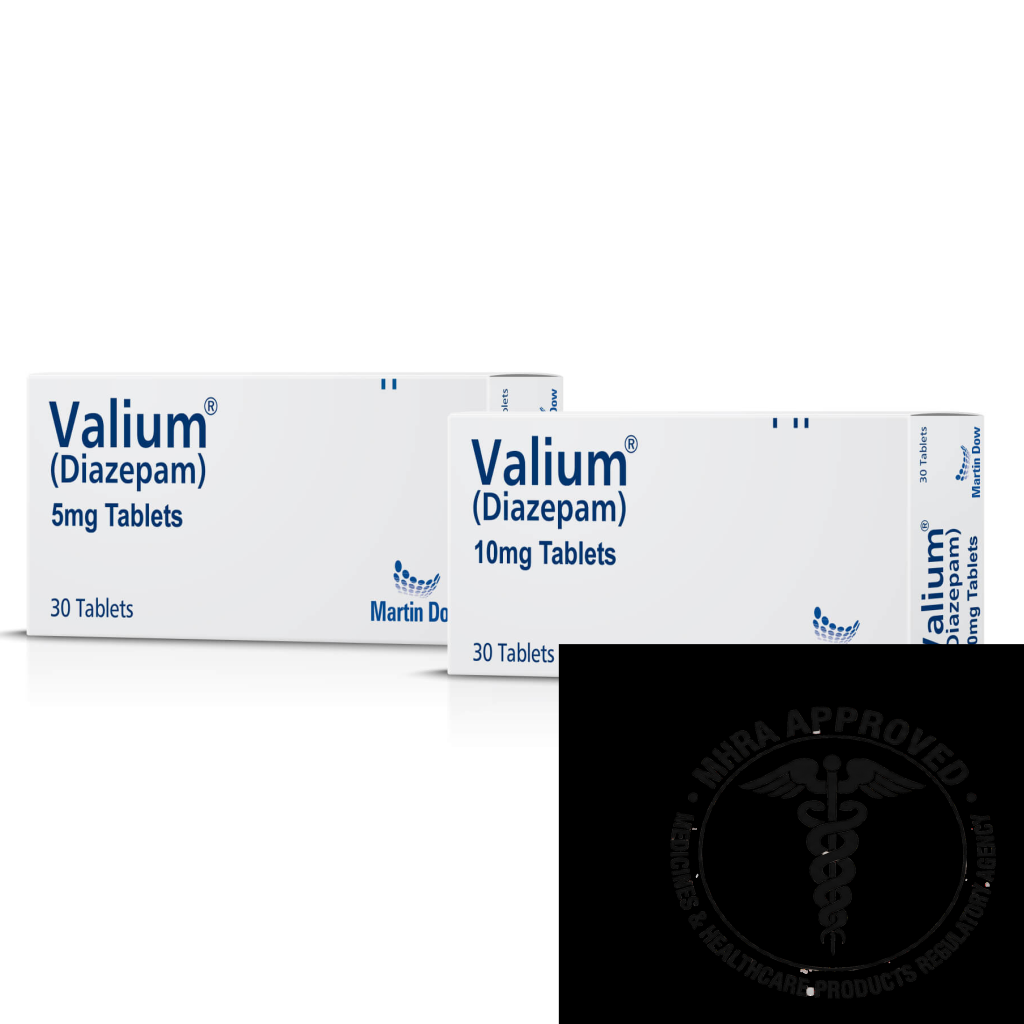
Description
Indications
Valium is indicated for the short-term treatment of mild to moderate anxiety, excitement, agitation, fear, aggressiveness, and similar conditions. It is also used in anxiety reactions due to stressful situations, anxiety with physical symptoms, acute alcohol withdrawal, status epilepticus, premedication before surgical procedures, febrile convulsions, and insomnia in hospitalized patients.
Description
Valium is a benzodiazepine derivative and acts as a safe tranquillizer with anxiolytic, anticonvulsant, and centrally acting muscle relaxant effects. Intravenous Valium injection is widely used in obstetrics and to control status epilepticus.
Pharmacology
Valium binds to specific sites on the GABA receptor and enhances the effect of GABA, which increases the flow of chloride ions into neurons, resulting in calming and inhibitory effects on the central nervous system.
Valium is rapidly and completely absorbed after oral administration. Peak plasma concentration is achieved within 15–90 minutes. The mean plasma half-life is approximately 30 hours. Plasma protein binding is 98–99%. Valium is metabolized in the liver, and only a trace amount of unchanged drug is excreted in the urine. A small portion of the metabolites is excreted through bile into the intestine and is eliminated with feces. After rectal suppository administration, Valium is significantly absorbed, and peak concentration occurs within 1.5–2 hours.
Dosage & Administration
Oral
-
Anxiety: 2 mg three times daily; may be increased if necessary to 15–30 mg per day in divided doses.
Elderly or debilitated patients: Half of the usual adult dose. -
Insomnia associated with anxiety: 5–15 mg at bedtime.
-
Night terrors & somnambulism in children: 1–5 mg at bedtime.
IM / Slow IV injection (large vein, rate below 5 mg per minute)
-
Severe acute anxiety, panic attacks, acute alcohol withdrawal: 10 mg; may be repeated after at least 4 hours if needed.
-
Febrile convulsions in children: Slow IV injection at 250 mcg/kg.
Rectal
-
Children: 500 mcg/kg (maximum 10 mg); may be repeated if required.
Interactions
Concomitant intake of Valium with alcohol is not recommended. Sedative effects may be increased with neuroleptics (antipsychotics), hypnotics, sedative antihistamines, CNS depressants such as general anesthetics, narcotic analgesics, or antidepressants. Valium clearance is increased by phenobarbitone and decreased by cimetidine. Omeprazole and isoniazid slow Valium metabolism.
Contraindications
Valium is contraindicated in:
-
Myasthenia gravis
-
Pulmonary insufficiency
-
Respiratory depression
-
Hypersensitivity to benzodiazepines
Side Effects
Valium is generally well tolerated. Higher doses may cause somnolence, dizziness, light-headedness, confusion, and ataxia.
Pregnancy & Lactation
Valium and its active metabolites cross the placental barrier and are excreted in breast milk. Therefore, use during pregnancy and lactation should be avoided if possible.
US FDA Pregnancy Category: D
Precautions & Warnings
Long-term use and abrupt withdrawal should be avoided. Valium should be used with caution in patients with respiratory diseases, muscle weakness, history of drug or alcohol abuse, hepatic or renal impairment.
Overdose
Overdose symptoms may include excessive sedation, muscle weakness, deep sleep, or paradoxical excitation. In severe cases, ataxia, hypotonia, hypotension, respiratory depression, coma, or rarely death may occur.
Therapeutic Class
-
Benzodiazepine sedatives
-
Centrally acting skeletal muscle relaxants
-
Primary anti-epileptic drugs
Storage Conditions
Store in a cool (below 25°C) and dry place, protected from light.

Reviews
There are no reviews yet.