
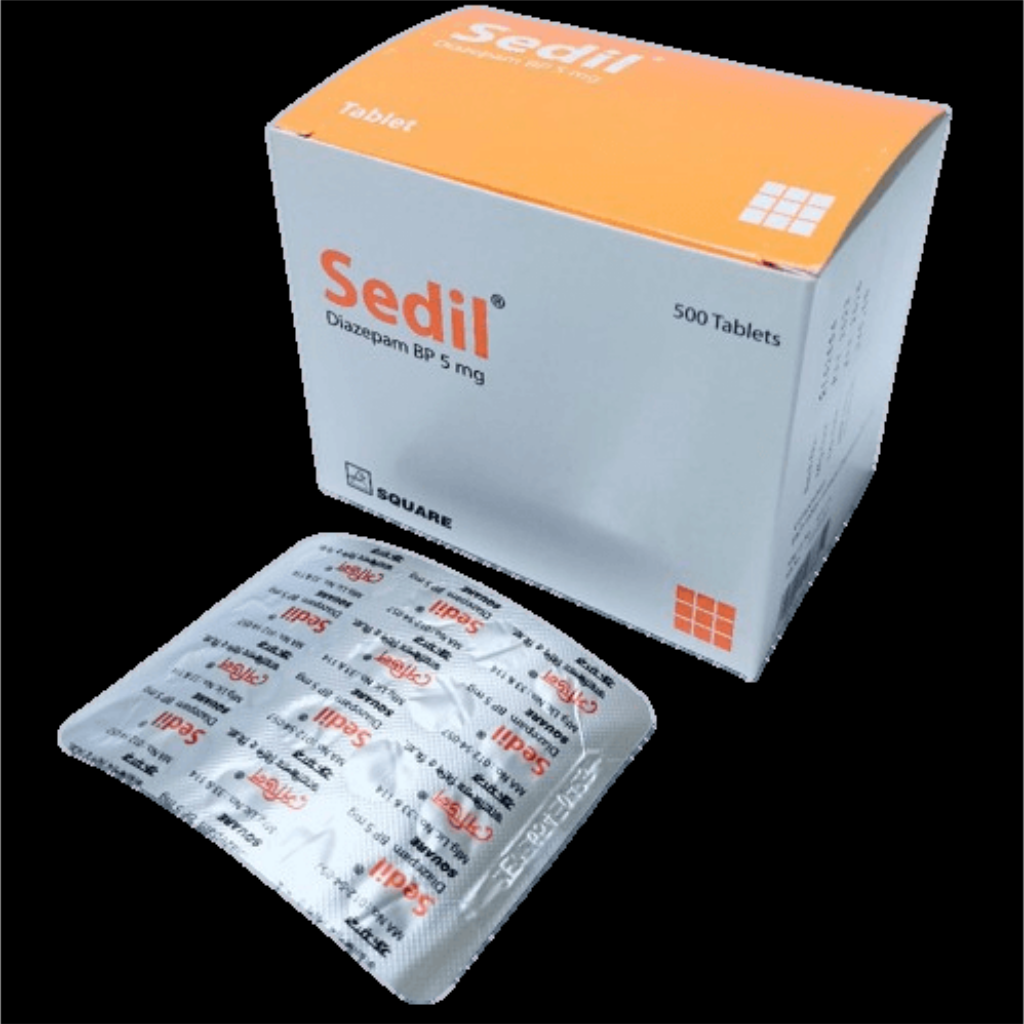
Description
Indications
Sedil is recommended for the short-term management of mild to moderate anxiety, emotional excitement, agitation, fear, and aggressive behavior. It is also suitable for anxiety triggered by stress, anxiety accompanied by physical symptoms, acute alcohol withdrawal, status epilepticus, pre-surgical sedation, febrile seizures, and sleep disturbances in hospitalized patients.
Description
Sedil is a benzodiazepine-based medication that provides reliable tranquilizing effects, offering anxiolytic, anticonvulsant, and centrally acting muscle-relaxant properties. Intravenous Sedil is commonly used in obstetric care and is highly effective in controlling status epilepticus.
Pharmacology
Diazepam binds to a specialized site on the GABA receptor, enhancing the natural action of GABA and promoting the opening of chloride ion channels within nerve cells.
After oral ingestion, diazepam is rapidly and fully absorbed, reaching peak plasma concentrations within 15 to 90 minutes. It has an average plasma half-life of approximately 30 hours and is highly protein-bound (98–99%). The drug is processed in the liver, with only minimal unchanged amounts eliminated through urine. A small portion of its metabolites is excreted via bile and expelled through feces. When administered rectally as a suppository, diazepam is also well absorbed, achieving maximum plasma levels within 1.5 to 2 hours.
Dosage & Administration
Oral
-
Anxiety: 2 mg three times daily; may be increased to 15–30 mg per day in divided doses. Seniors or debilitated patients should receive half the standard adult dose.
-
Insomnia due to anxiety: 5–15 mg at bedtime.
-
Night terrors and sleepwalking in children: 1–5 mg at bedtime.
IM / Slow IV Injection
(Administer in a large vein at a rate not exceeding 5 mg per minute.)
-
Severe acute anxiety, panic attacks, acute alcohol withdrawal: 10 mg, with repetition permitted after at least 4 hours if required.
-
Febrile convulsions in children: Slow IV dose of 250 mcg/kg.
Rectal
-
Children: 500 mcg/kg (maximum 10 mg), repeatable if needed.
Use only as directed by a licensed physician.
Interactions
Alcohol should be avoided while using Sedil. Its sedative effects may intensify when combined with neuroleptics, hypnotics, sedative antihistamines, or other central nervous system depressants such as anesthetics, opioid analgesics, or antidepressants. Phenobarbitone increases Sedil clearance, while cimetidine decreases it. Omeprazole and isoniazid also reduce Sedil metabolism.
Contraindications
Sedil is not suitable for patients with myasthenia gravis, significant pulmonary insufficiency, respiratory depression, or known hypersensitivity to benzodiazepines.
Side Effects
Sedil is generally well tolerated. Higher doses may cause drowsiness, dizziness, light-headedness, confusion, or impaired coordination.
Pregnancy & Lactation
Diazepam and its active metabolites cross the placenta and pass into breast milk. Use should be avoided during pregnancy and breastfeeding whenever possible. Classified as US FDA Pregnancy Category D.
Precautions & Warnings
Avoid prolonged use and sudden discontinuation. Sedil should be prescribed with caution in patients with respiratory disorders, muscle weakness, a history of substance or alcohol abuse, or impaired hepatic or renal function.
Overdose Effects
Overdose may present with sedation, muscle weakness, excessive sleepiness, or paradoxical agitation. Severe overdose cases may show ataxia, reduced muscle tone, hypotension, respiratory depression, and, rarely, coma or fatality.
Therapeutic Class
-
Benzodiazepine Sedatives
-
Centrally Acting Skeletal Muscle Relaxants
-
Primary Anti-Epileptic Drugs
Storage Conditions
Store in a cool, dry area below 25°C and protect from direct light.

Reviews
There are no reviews yet.