
Description
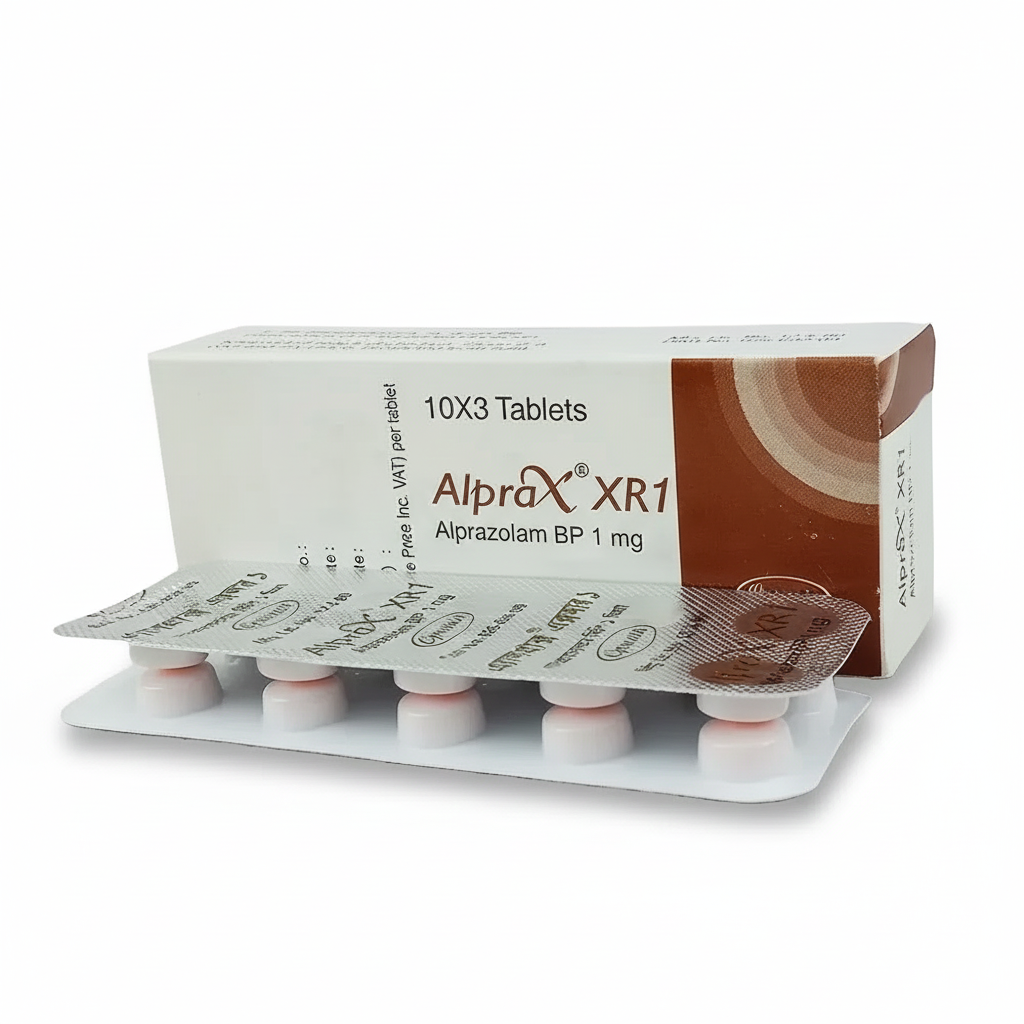
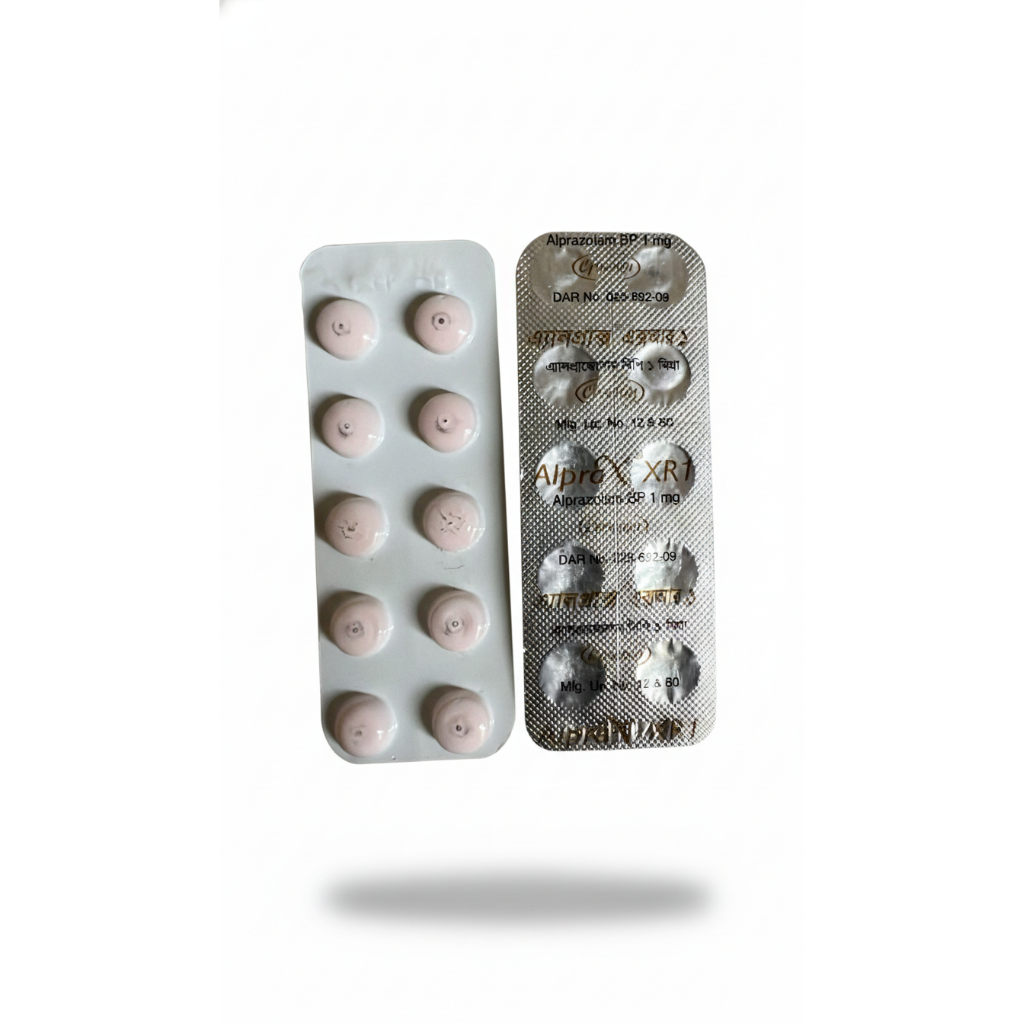
Alprax XR — Extended Release Alprazolam Tablets
Indications
Alprax XR (Alprazolam XR) is indicated for the treatment of:
-
Generalized Anxiety Disorder (GAD)
-
Short-term relief of anxiety symptoms
-
Anxiety associated with depression
-
Panic disorder, with or without agoraphobia
* Take this medication only under the supervision of a registered healthcare professional.
Pharmacology
Alprazolam belongs to the triazole benzodiazepine class and acts as an anxiolytic with hypnotic and anticonvulsant properties. It works by enhancing the activity of Gamma-Aminobutyric Acid (GABA) at the benzodiazepine receptor complex, producing a dose-dependent CNS depressant effect — ranging from mild sedation to hypnosis.
Dosage & Administration
-
Starting dose: 0.25–0.5 mg, three times daily
-
Increase dose every 3–4 days by no more than 1 mg/day as needed
-
Maximum dose: 4 mg/day (in some panic disorder cases, up to 10 mg/day under strict supervision)
Special instructions:
-
Use the lowest effective dose for optimal benefit
-
Gradually taper when discontinuing therapy (reduce by 0.5 mg every 3 days)
-
Elderly patients or those with liver disease: Start at 0.25 mg two or three times daily, increase slowly if tolerated
-
Alprazolam 1 mg XR: Administer once daily in the morning if on multiple doses; swallow tablets whole — do not chew, crush, or break
* Take only as advised by a registered doctor.
Drug Interactions
Alprax XR’s CNS-depressant effects may be enhanced when taken with:
-
Other psychotropic medications
-
Anticonvulsants
-
Antihistamines
-
Alcohol
-
Oral contraceptives
Side Effects
Common side effects often appear at the start of therapy and typically decrease with continued use:
-
Drowsiness, light-headedness
-
Headache, confusion
-
Depression, dry mouth, constipation
Pregnancy & Lactation
-
Pregnancy Category D: Avoid during pregnancy
-
Alprazolam is likely excreted in breast milk; breastfeeding is not recommended for mothers taking Alprax XR
Precautions & Warnings
-
Risk of psychological and physical dependence; do not abruptly discontinue
-
Administer with caution in patients with:
-
Liver or kidney disease
-
Sleep apnea
-
Chronic pulmonary insufficiency
-
Use in Special Populations
-
Safety and effectiveness in individuals under 18 years of age have not been established
Overdose
Symptoms may include:
-
Excessive sleepiness, confusion
-
Impaired coordination, diminished reflexes
-
Coma
Immediate supportive care and gastric lavage are recommended in case of overdose.
Therapeutic Class
Benzodiazepine sedatives
Storage
Store below 30°C, in a dry place away from light and moisture.
Keep out of reach of children.


Reviews
There are no reviews yet.