
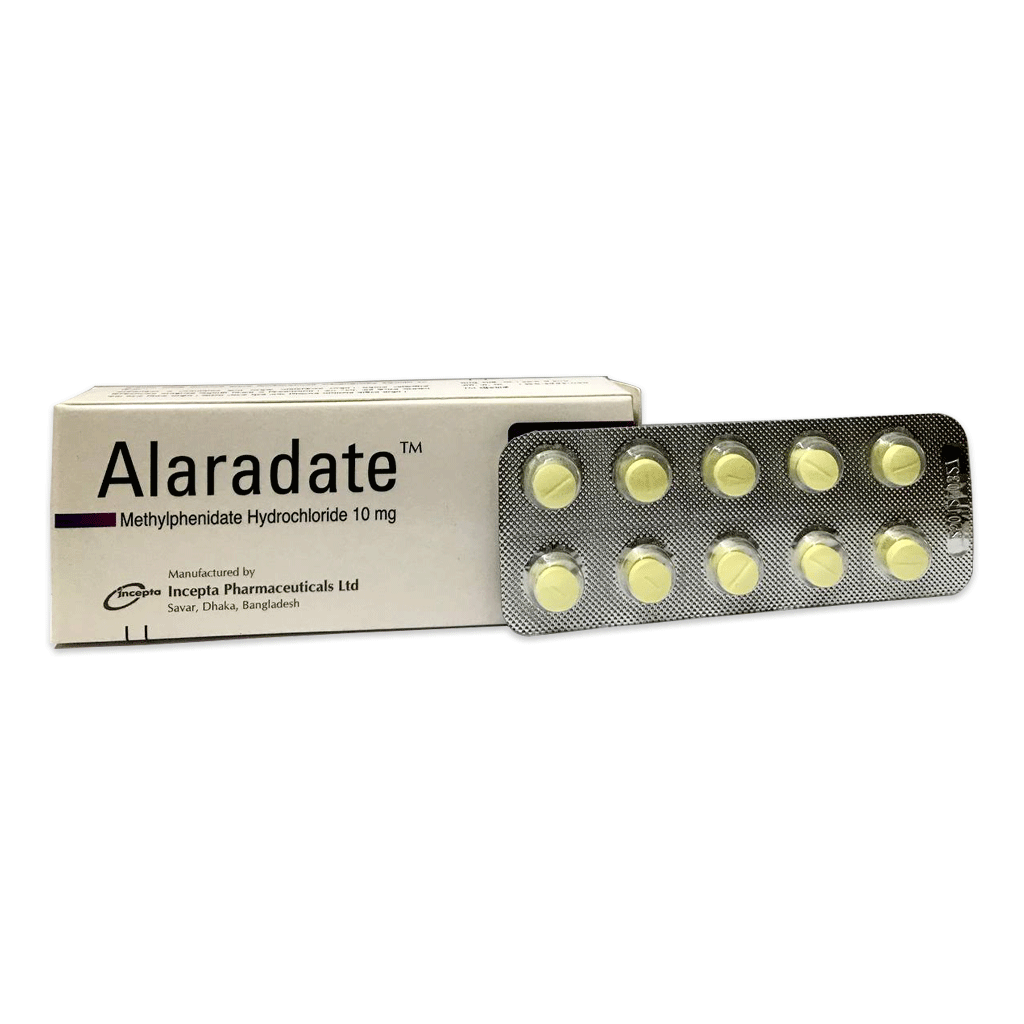
Description
Indications
Alaradate tablets are used for the treatment of Attention Deficit Hyperactivity Disorder (ADHD) and narcolepsy.
Pharmacology
Alaradate contains Methylphenidate (MPH), a norepinephrine and dopamine reuptake inhibitor (NDRI). By blocking the reuptake of dopamine (DA) and norepinephrine (NE), it increases their concentration in the synaptic space, allowing prolonged neurotransmitter activity.
Low therapeutic doses selectively enhance NE and DA activity in the prefrontal cortex, improving attention, impulse control, sustained focus, and working memory — key factors in ADHD. At higher doses, widespread stimulation of neurotransmitter pathways can lead to excessive activation and impaired cognition.
Clinical findings suggest many individuals with ADHD have variations in dopamine transporter and receptor genes (e.g., DAT1, DRD-4, D2). The dopaminergic activity of methylphenidate may help compensate for these abnormalities, supporting its effectiveness in ADHD management.
Dosage
Children (over 6 years)
-
Start with 5 mg once or twice daily
-
Increase weekly by 5–10 mg/day if needed
-
Maximum: 60 mg/day in divided doses
-
Discontinue if no improvement within 1 month
-
Periodically withdraw treatment to assess condition (commonly discontinued during or after puberty)
-
Not recommended for children under 6 years
Adults
-
10–15 mg per day in 2–3 divided doses
-
Usual dose: 20–30 mg/day
-
Some patients may require 40–60 mg/day
-
To avoid insomnia, do not take the last dose after 6 PM
Administration
-
Preferably taken on an empty stomach
-
30–45 minutes before meals
-
May also be taken with food if necessary
-
Swallow whole — do NOT divide, crush, or chew
Drug Interactions
-
May slow the elimination of phenytoin
-
May increase the anticoagulant effect of coumarin
-
Increases serum levels of imipramine and desipramine
Contraindications
Methylphenidate should not be used in patients with:
-
Alcoholism or drug abuse history
-
Emotional instability
-
Hypertension
-
Cardiac arrhythmias
-
Psychosis
-
Epilepsy
-
Thyrotoxicosis
-
Glaucoma
-
Marked anxiety
-
Severe depression
-
Known hypersensitivity to methylphenidate
Side Effects
Possible side effects may include:
-
Sleep disturbance, restlessness, dizziness, headache, tremor, convulsion
-
Skin reactions: rash, pruritus, urticaria, alopecia, exfoliative dermatitis, erythema multiforme
-
Fever, arthralgia
-
Blood disorders: thrombocytopenia, thrombocytopenic purpura, leucopenia
-
Urinary disturbances
-
Very rarely: liver damage
Pregnancy & Lactation
Safety during pregnancy and breastfeeding has not been established. Use only if clearly advised by a qualified healthcare professional.
Precautions & Warnings
Use with caution in:
-
Mild hypertension (contraindicated if moderate or severe) — monitor blood pressure
-
History of epilepsy
-
Tics or Tourette syndrome
-
Breastfeeding
-
Porphyria
Other notes:
-
Rare cystic ovarian swellings in premenopausal women
-
Occasional hypercalcemia in patients with bony metastases
-
Increased risk of thromboembolic events with cytotoxic drugs
-
Possible endometrial changes with prolonged use
Therapeutic Class
Central Nervous System (CNS) stimulant
Storage
Store below 25°C in a cool, dry place, protected from light.
Keep out of reach of children.
Reviews
There are no reviews yet.